Greening Up Your Business: The Ultimate Guide to Sustainable Packaging Solutions
Welcome to our comprehensive guide on sustainable packaging solutions for businesses looking to make a positive impact on the environment. In this article, we will delve into the importance of sustainable packaging, highlighting its benefits not only for the planet but also for your brand's reputation and bottom line. We will explore the top eco-friendly materials available for businesses to switch to, providing insights into the best options for your specific industry and product requirements. Furthermore, we will discuss practical ways to implement sustainable packaging practices within your operations, offering tips and strategies to make the transition seamless and effective. Through real-life case studies, you will discover how businesses across various sectors have successfully embraced sustainable packaging and reaped the rewards. Finally, we will take a glimpse into the future of sustainable packaging innovations, showcasing upcoming trends and technologies that are set to revolutionize the industry. Join us on this enlightening journey towards greening up your business and making a difference through sustainable packaging solutions

Understanding the Importance of Sustainable Packaging
Sustainable packaging has become a critical element for businesses looking to lessen their environmental impact and meet the growing demand for eco-friendly products. Its importance lies in its ability to reduce waste, conserve resources, and minimize carbon footprint throughout the product's lifecycle. By opting for sustainable packaging solutions, businesses can significantly decrease the amount of non-biodegradable material that ends up in landfills. Traditional packaging, often made from plastic and other harmful substances, can take hundreds of years to decompose, leading to long-lasting pollution. In contrast, sustainable packaging uses materials that are recyclable, biodegradable, or compostable, helping to create a circular economy where resources are reused rather than discarded. Furthermore, sustainable packaging plays a crucial role in conserving valuable resources such as water and energy. The production of conventional packaging materials consumes vast amounts of natural resources and contributes to greenhouse gas emissions. In contrast, sustainable alternatives prioritize eco-friendly materials that have minimal environmental impact and are sourced responsibly. The adoption of sustainable packaging solutions is not only beneficial for the environment but also provides a competitive edge for businesses. As consumers become more eco-conscious, they are actively seeking products that align with their values of sustainability and environmental responsibility. By implementing sustainable packaging practices, businesses can enhance their brand image, attract environmentally conscious consumers, and foster a positive perception of their commitment to corporate social responsibility. In conclusion, understanding the importance of sustainable packaging is paramount for businesses looking to operate in an environmentally conscious manner. By prioritizing sustainable packaging solutions, businesses can contribute to a healthier planet, reduce their ecological footprint, and align with consumer preferences for eco-friendly products. Embracing sustainable packaging is not just a trend but a necessity in creating a more sustainable future for generations to come
Top Sustainable Packaging Materials for Your Business
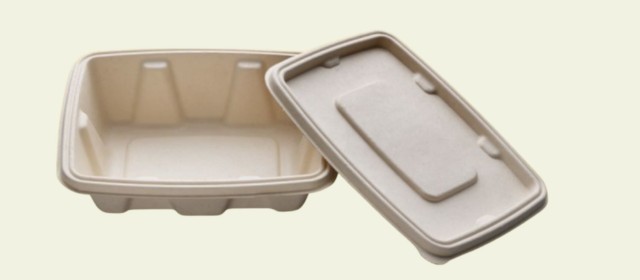
When it comes to making your business more environmentally friendly, opting for sustainable packaging materials is a crucial step in the right direction. Sustainable packaging ensures that your products are not only well-protected during transportation and storage but also minimizes their impact on the environment throughout their lifecycle. Here are some of the top sustainable packaging materials you can consider for your business: 1. **Biodegradable Plastics**: These plastics break down naturally into non-toxic components, reducing their environmental impact significantly compared to traditional plastics. Options like PLA (polylactic acid) and PHA (polyhydroxyalkanoates) can be used for various packaging needs. 2. **Recycled Cardboard**: Using recycled cardboard for packaging not only reduces waste but also cuts down on the energy required to produce new packaging materials. It is a versatile and cost-effective option for shipping boxes, retail packaging, and more. 3. **Compostable Packaging**: Compostable materials like molded pulp or compostable plastics can be a great choice for businesses looking to minimize waste. These materials break down into natural elements when composted, leaving behind no harmful residues. 4. **Biodegradable Bubble Wrap**: Traditional bubble wrap can be swapped out for biodegradable alternatives made from materials like recycled paper or biodegradable plastics. These provide the same cushioning and protection for products while being more eco-friendly. 5. **Reusable Packaging**: Investing in durable, reusable packaging solutions like tote bags, crates, or containers can help reduce the need for single-use packaging, lowering both costs and environmental impact in the long run. By incorporating these sustainable packaging materials into your business operations, you can demonstrate your commitment to environmental responsibility while also appealing to eco-conscious consumers. Making the switch to sustainable packaging not only benefits the planet but can also improve your brand image and set you apart as a responsible and forward-thinking business in your industry
Implementing Eco-Friendly Packaging Practices
When it comes to implementing eco-friendly packaging practices for your business, sustainable packaging is a crucial part of your strategy. Sustainable packaging aims to minimize environmental impact throughout the product's lifecycle, from sourcing materials to disposal. Here are some key elements to consider when greening up your business through sustainable packaging solutions: 1. **Materials Selection**: Opt for recyclable, biodegradable, or compostable materials for your packaging. Materials like recycled paper, cardboard, bioplastics, and plant-based alternatives can significantly reduce the carbon footprint of your packaging. 2. **Minimalistic Design**: Embrace minimalist packaging design to reduce material usage and waste. Simplifying your packaging not only promotes sustainability but also enhances brand aesthetics and reduces shipping costs. 3. **Reusable Packaging**: Integrate reusable packaging options into your product offerings where possible. Encourage customers to return packaging for reuse or provide innovative ways to repurpose packaging materials at home. 4. **Reduced Packaging**: Streamline your packaging design to eliminate unnecessary layers, inserts, or oversized boxes. By right-sizing your packaging, you not only reduce material usage but also save on transportation costs and reduce carbon emissions. 5. **Supply Chain Transparency**: Partner with suppliers who prioritize sustainability and ethical practices in their operations. Understanding the environmental impact of your entire supply chain can help you make informed decisions when selecting packaging materials and manufacturers. 6. **Biodegradable Additives**: Consider incorporating biodegradable additives into traditional packaging materials to enhance biodegradability without compromising product quality or performance. 7. **Lifecycle Assessment**: Conduct a lifecycle assessment of your packaging to identify areas for improvement and innovation. By understanding the complete environmental impact of your packaging, you can implement targeted strategies to minimize waste and emissions. 8. **Consumer Education**: Educate your customers on the importance of sustainable packaging practices and how they can contribute to reducing waste and protecting the environment. Transparent communication about your eco-friendly initiatives can build brand loyalty and inspire conscious consumer behavior. By embracing sustainable packaging solutions and implementing eco-friendly practices, your business can reduce its environmental footprint, differentiate itself in the market, and contribute to a more sustainable future for the planet
Case Studies: Businesses Succeeding with Sustainable Packaging
Sustainable packaging has become a crucial element in the efforts of businesses to reduce their environmental impact and enhance their corporate social responsibility. Through the implementation of sustainable packaging solutions, companies are not only aligning with consumer preferences but also contributing to a healthier planet. Let's delve into some inspiring case studies that showcase businesses excelling in this area. 1. **Patagonia**: Known for its commitment to environmental sustainability, Patagonia has taken significant steps to ensure their packaging aligns with their values. The company switched to using 100% recycled poly bags for shipping their products, reducing the consumption of virgin plastic and lowering their carbon footprint. This initiative has resonated well with their environmentally conscious customer base, boosting brand loyalty and advocacy. 2. **Plenty**: As an indoor farming company, Plenty has revolutionized the agriculture industry with its sustainable practices. In addition to growing produce in an eco-friendly manner, Plenty has made strides in sustainable packaging. By using biodegradable materials for their packaging, such as compostable trays and plant-based plastics, Plenty demonstrates a holistic approach to sustainability that extends from farm to table. 3. **Loop**: Loop is a unique platform that partners with various consumer brands to offer products in reusable packaging. By facilitating a circular economy model, Loop eliminates the concept of single-use packaging and encourages customers to return empty containers for refilling. This innovative approach has not only reduced packaging waste but has also cultivated a mindset shift towards reusability and sustainability. 4. **IKEA**: A household name in furniture retail, IKEA has made significant progress in enhancing the sustainability of its packaging solutions. The company has optimized packaging designs to reduce material waste, incorporated renewable materials like bamboo and paper foam, and introduced innovative practices such as mushroom-based packaging. IKEA's commitment to sustainable packaging aligns with its broader sustainability goals, showcasing a holistic approach to environmental stewardship. These case studies exemplify how businesses can succeed with sustainable packaging by prioritizing innovation, consumer preferences, and environmental stewardship. By adopting sustainable packaging solutions, companies not only reduce their ecological footprint but also position themselves as leaders in sustainability, fostering positive brand perception and customer loyalty
The Future of Sustainable Packaging Innovations
Sustainable packaging is not just a trend; it is becoming a necessity for businesses looking to reduce their environmental impact and meet the growing demand for eco-friendly solutions. As consumers become more conscious of the environmental consequences of traditional packaging materials, the need for innovative sustainable packaging solutions continues to grow. One key aspect of the future of sustainable packaging innovations is the development of materials that are biodegradable, compostable, or recyclable. Companies are increasingly exploring alternative materials such as plant-based plastics, mushroom packaging, and seaweed-based packaging to replace traditional plastics and reduce waste. Another important trend in sustainable packaging is the concept of reusable packaging. Many businesses are now adopting reusable packaging options, such as refillable containers or packaging made from durable materials that can be returned and reused multiple times. By promoting a circular economy model, these initiatives help reduce the amount of packaging waste that ends up in landfills. Additionally, advancements in technology are driving innovations in sustainable packaging solutions. From smart packaging that can monitor product freshness to edible packaging that eliminates the need for disposal, technology is playing a crucial role in creating more sustainable packaging options. As businesses continue to prioritize sustainability in their operations, the future of sustainable packaging innovations looks promising. By investing in research and development, collaborating with sustainable packaging suppliers, and listening to consumer preferences, companies can stay ahead of the curve and lead the way in reducing the environmental impact of packaging materials. The shift towards sustainable packaging is not just a trend but a strategic business decision that can benefit the planet and the bottom line
Conclusion
In conclusion, this ultimate guide on sustainable packaging solutions has shed light on the significance of implementing eco-friendly practices in businesses. We have elucidated the benefits of sustainable packaging, emphasizing its positive impact on the environment, brand reputation, and financial performance. By exploring the top materials suitable for different industries and product needs, we have provided insights into making informed choices. Moreover, we have offered practical tips for integrating sustainable packaging into daily operations seamlessly, drawing inspiration from successful case studies in various sectors. Looking ahead, we have glimpsed into the future of sustainable packaging, highlighting upcoming trends and technologies shaping the industry. Embracing sustainable packaging is not just a trend but a strategic move towards a greener future. Let's continue paving the way for a more sustainable and responsible business landscape through innovative packaging solutions